See what you’d actually get, in dollars.
Tell us how you spend. We’ll show which card pays you back the most, and every number behind it.
We’re a Canadian site. Each number links to the bank page we got it from.
- We rank all 176 cards we track by what they pay you, after fees.
- Every card page shows the date we last checked it with the bank.
- Banks can pay for a labelled spot, but never to move a card up the list.
What’s in each?
- Light:
- Groceries $400, restaurants $100, gas $100, recurring bills $100, everything else (base rate) $250, foreign currency $50
- Typical:
- Groceries $800, restaurants $250, gas $250, recurring bills $250, travel $150, everything else (base rate) $650, foreign currency $150
- Big:
- Groceries $1,200, restaurants $500, gas $400, recurring bills $400, travel $500, everything else (base rate) $1,600, foreign currency $400

Spend $2,500 a month? Over your first two years, this card pays you back the most.

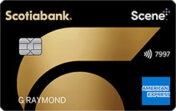
The next best of the 176 cards we track is the Scotiabank Gold Amex, at $2,880 over two years.
Show the math
- Rewards you’d earn in a year
- $1,418
- Welcome offer your spending reaches
- $255
- Annual fee in year one
- −$192
- Year one
- $1,651
Details from American Express’ site. Banks can update terms at any time, so give them a quick look before you apply. American Express’ page
Sending money abroad is next.
We’ll show what actually arrives with each service for your amount and country, with fees and the exchange rate counted in.
What are you sorting out?
Credit cards
- Best cards for your spending Every card, ranked by what it pays you
- Cash back cards Money back, no points to work out
- Travel cards Points, lounges and travel insurance
- No annual fee cards Keep every dollar you earn
- Pay down a balance Low interest and balance transfer cards
- Build your credit Cards that say yes to a thin file
- New to Canada Cards you can get in your first year
- Compare two cards side by side Any two cards, row by row
Send money abroad
Coming soon
We’ll show what actually arrives with each service for your amount and country, with fees and the exchange rate counted in.

How we work
- We rank cards by what they pay you Lists are sorted by what a card earns at your spending, after fees. A bank can pay for one labelled spot, and it never changes the order.
- Each fact links to its source Next to each number we link the bank’s own page and the date we last checked it.
- How we’re paid Some banks pay us when you apply through our links. You pay nothing extra.
Cards people often compare
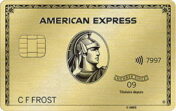
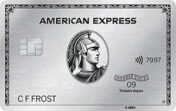
Year one at typical spending, after fees.
Start here
- Statement balance vs current balance: which one should you pay? Pay your statement balance in full by the due date and you pay no interest on those purchases. Credit cards Checked Nov 9, 2026
- What is a good credit score in Canada? In Canada, a credit score of 660 or higher is generally seen as good, on a scale of 300 to 900. Credit score Checked Nov 9, 2026
- How credit card interest works in Canada Your bank turns your card's yearly rate into a daily rate and charges it on what you owe each day, then adds it to your statement once a month. Credit cards Checked Nov 9, 2026

Mr. Loonie’s tip Look at “every year after” before the welcome offer. The offer pays once. The everyday earn pays you every month you keep the card.
Questions about us
Are you a bank?
No. We’re a Canadian site that compares money choices. You apply with the bank itself.
How do you make money?
Some banks pay us when you apply through our links. That never changes our numbers or the order of a list.
How do you decide which card is best?
We add up what a card earns on a set budget, take off the fee, and count the part of the welcome offer you’d actually get. The highest total ranks first.
How often do you check the numbers?
Every card page shows the date we last checked it against the bank’s own page.
Card numbers are estimates for the spending shown, rounded to the nearest dollar. Rates, fees and offers come from the banks and change often, so check the bank’s terms before you apply.